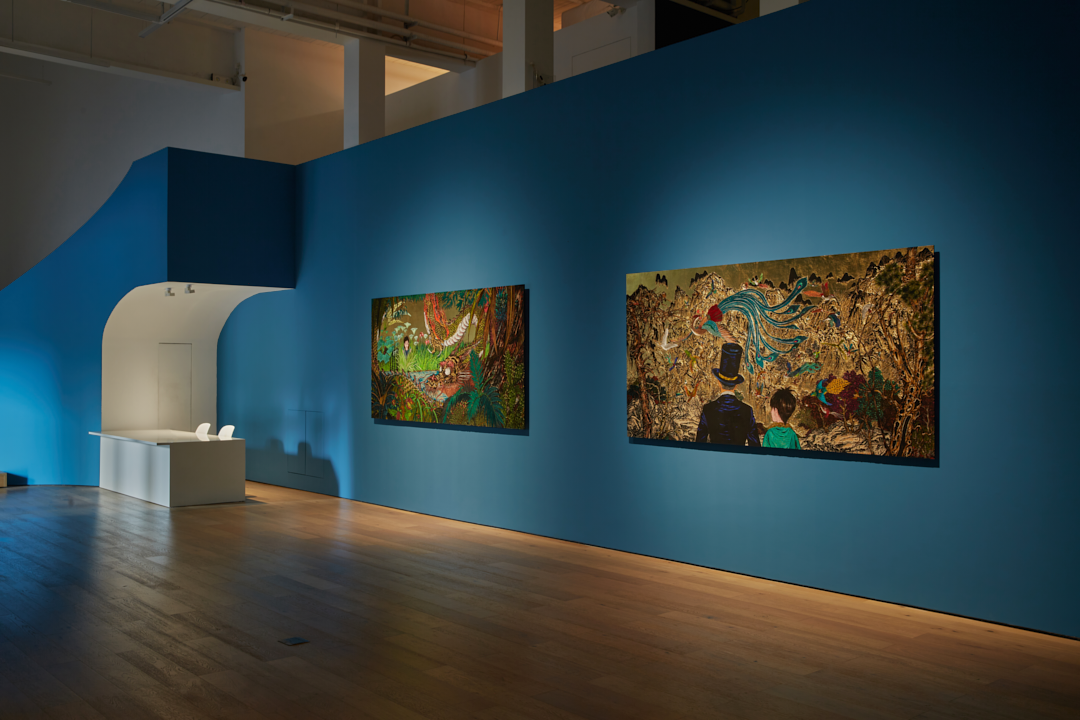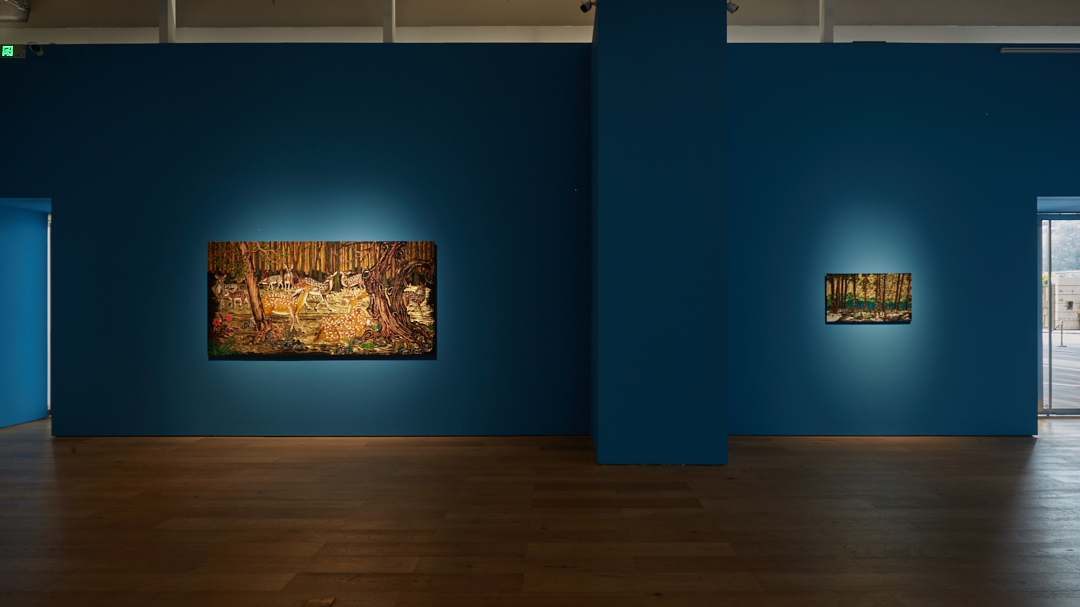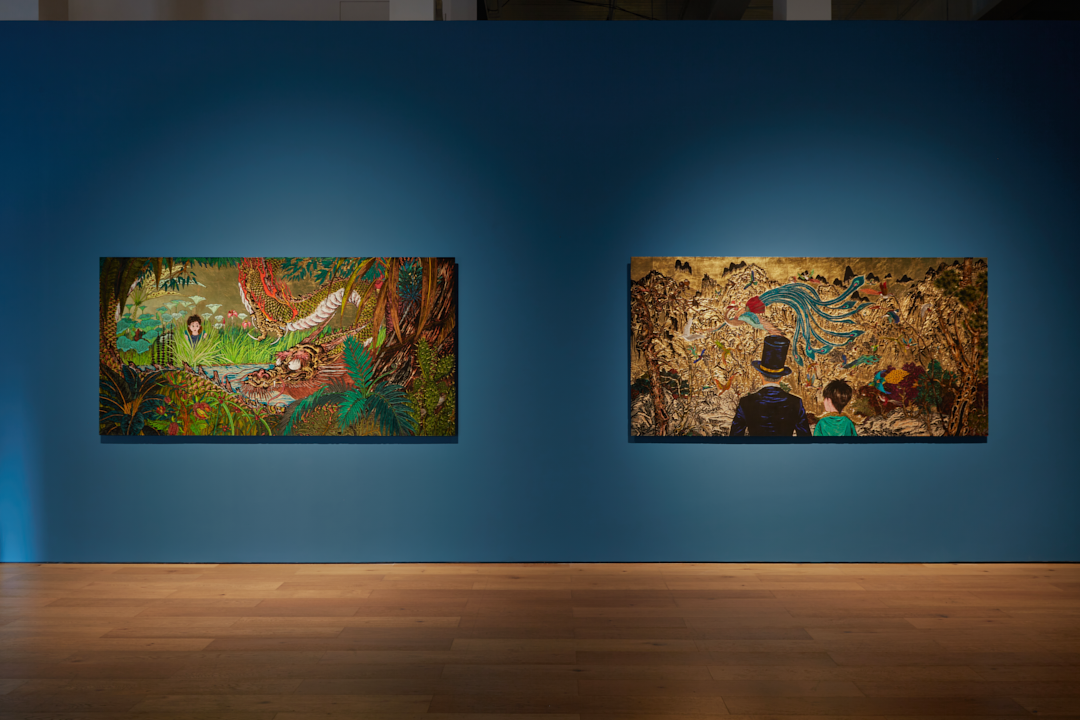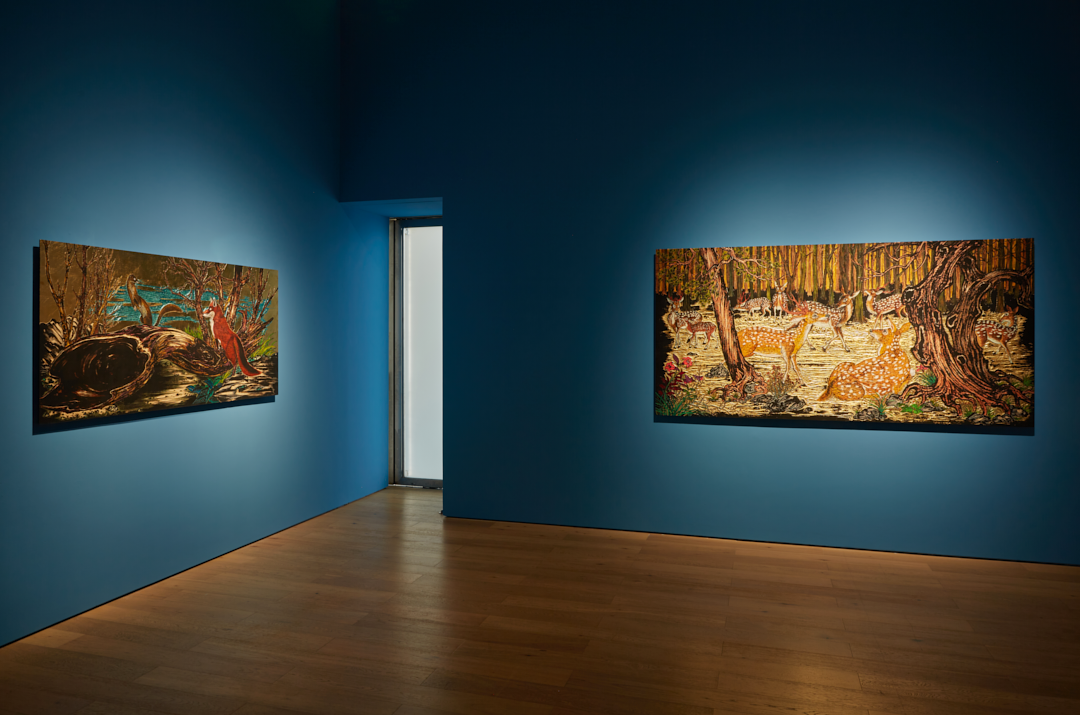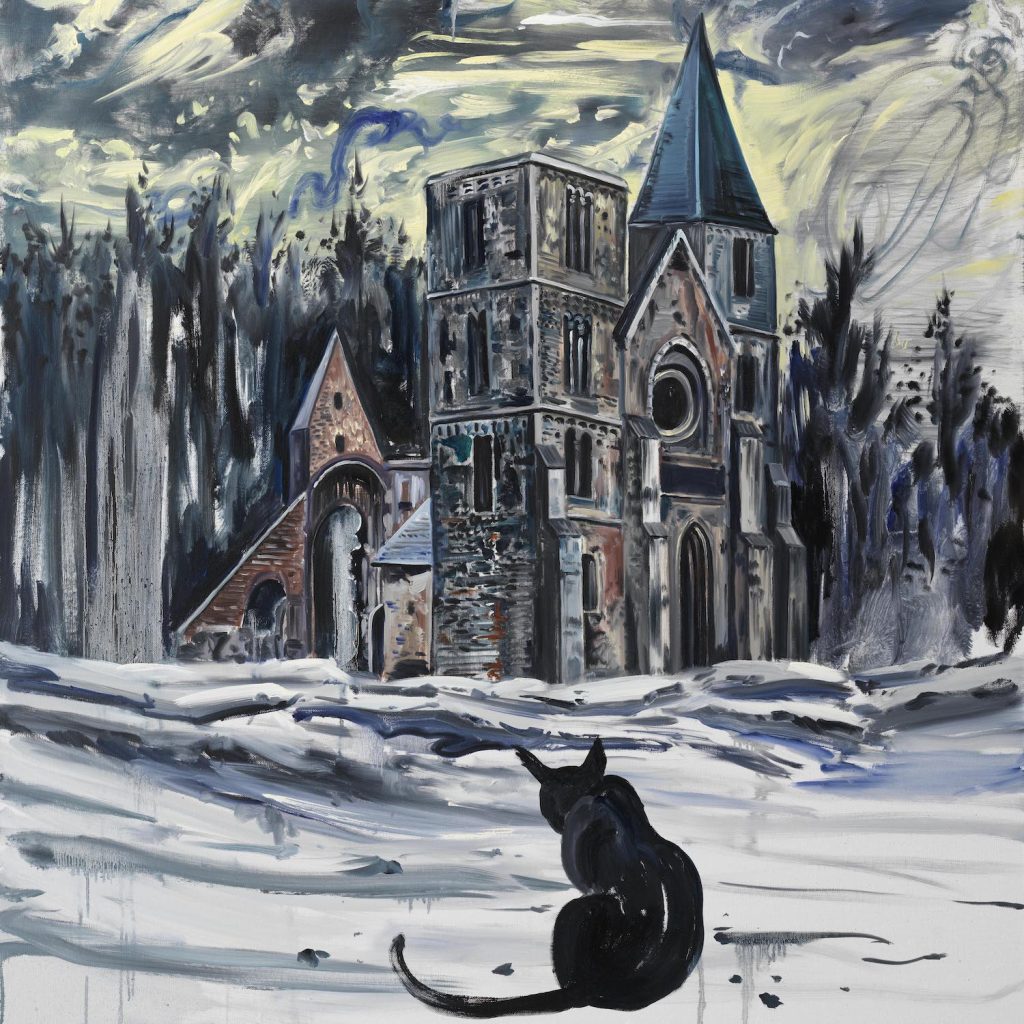


What lies beyond the universe? Does time have an end? And am I the only me?
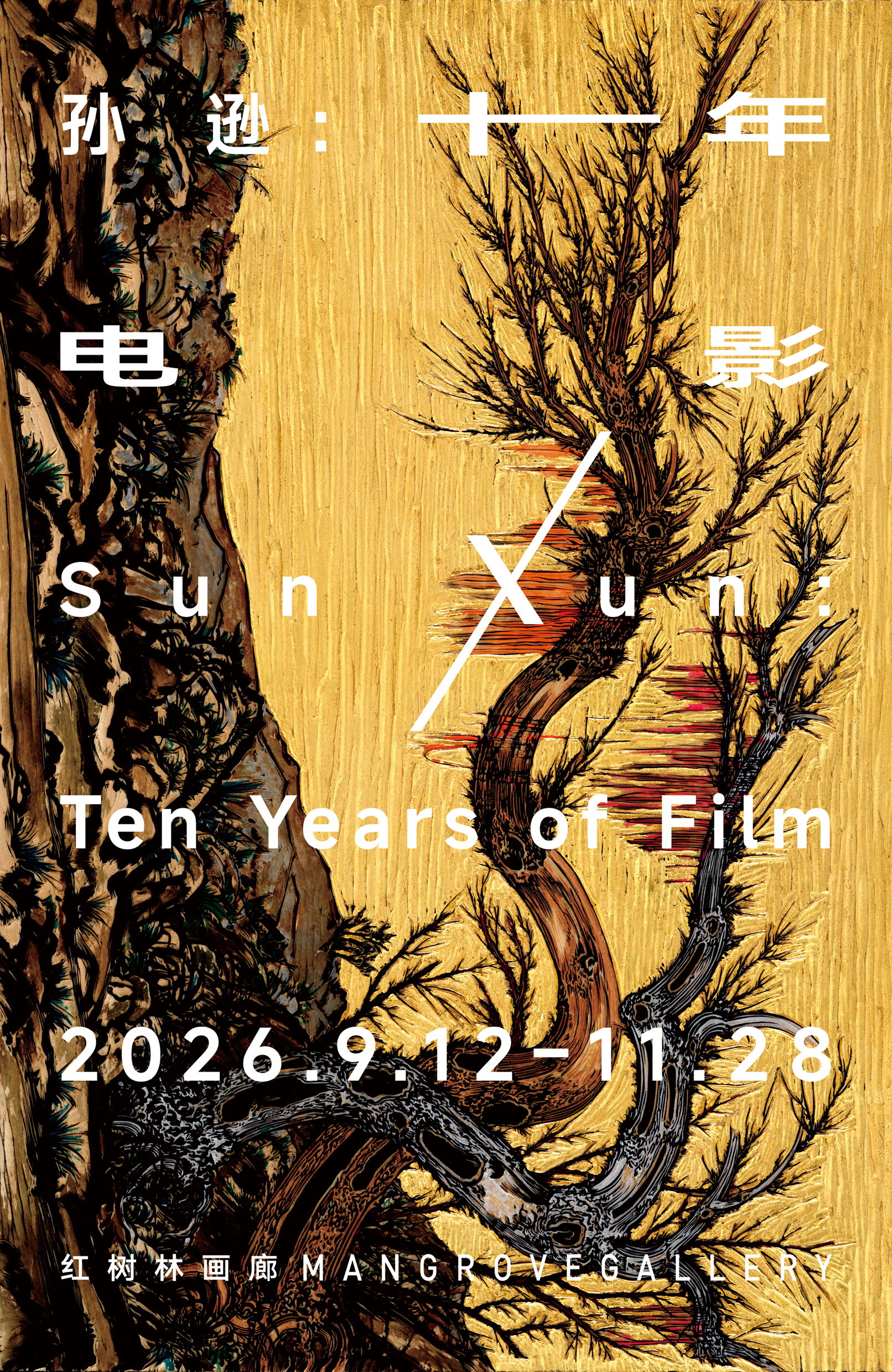
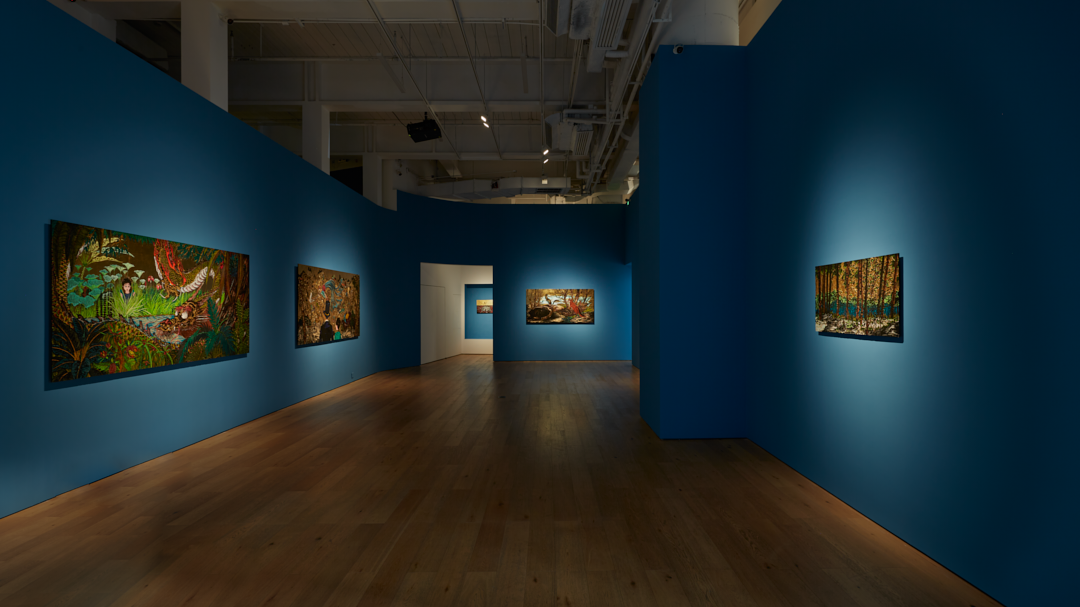
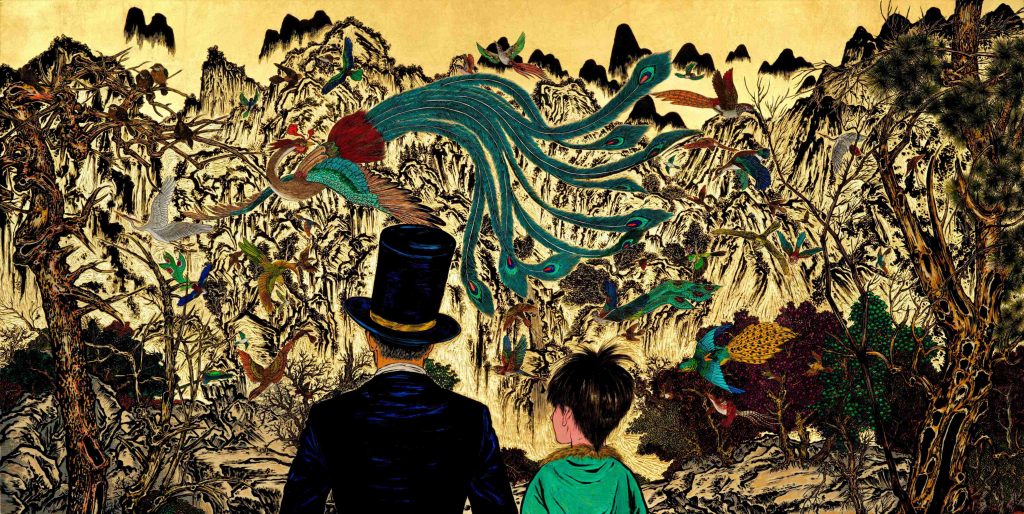
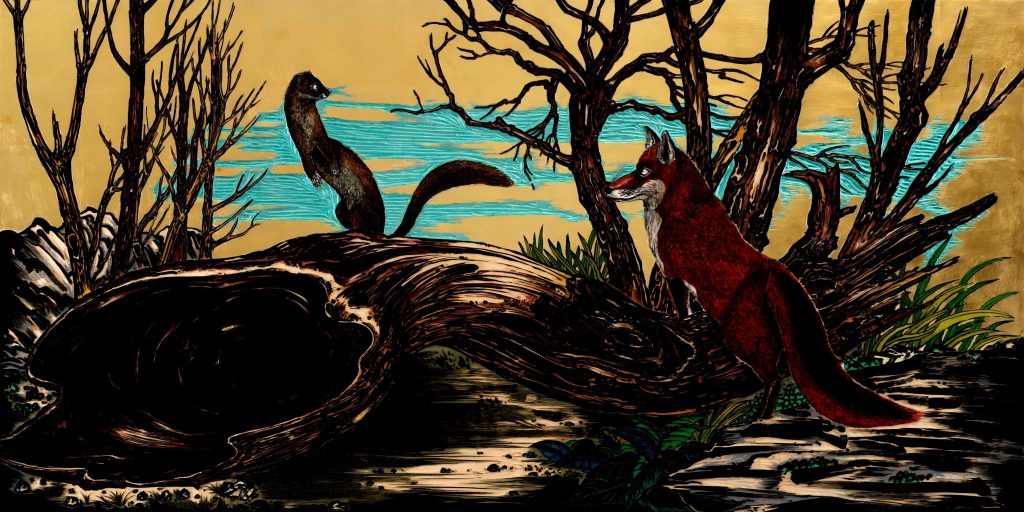
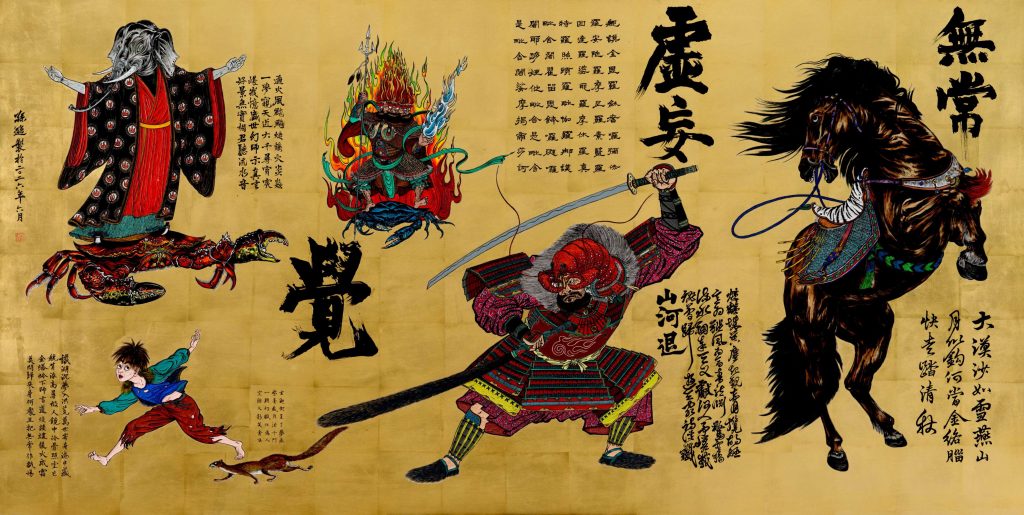
At the end of Magic Atlas, Sun Xun leaves us with a series of questions-almost childlike in their innocence, yet ancient enough to induce vertigo. Beginning with an ending and ending with a beginning, this circularity defines both the structure of the work and the worldview Sun constructs through the metaphor of the cosmos. Every planet is a frame in a cosmic film; every life, a shadow cast by the same act of creation. Ten years in the making, Magic Atlas emerged from a creative process that extended far beyond the conventional cycle of film production. Over the course of a decade, painting, woodcut, animation, and film intersected with the artist’s continually shifting experience of reality, gradually coalescing into an open and complex visual system.
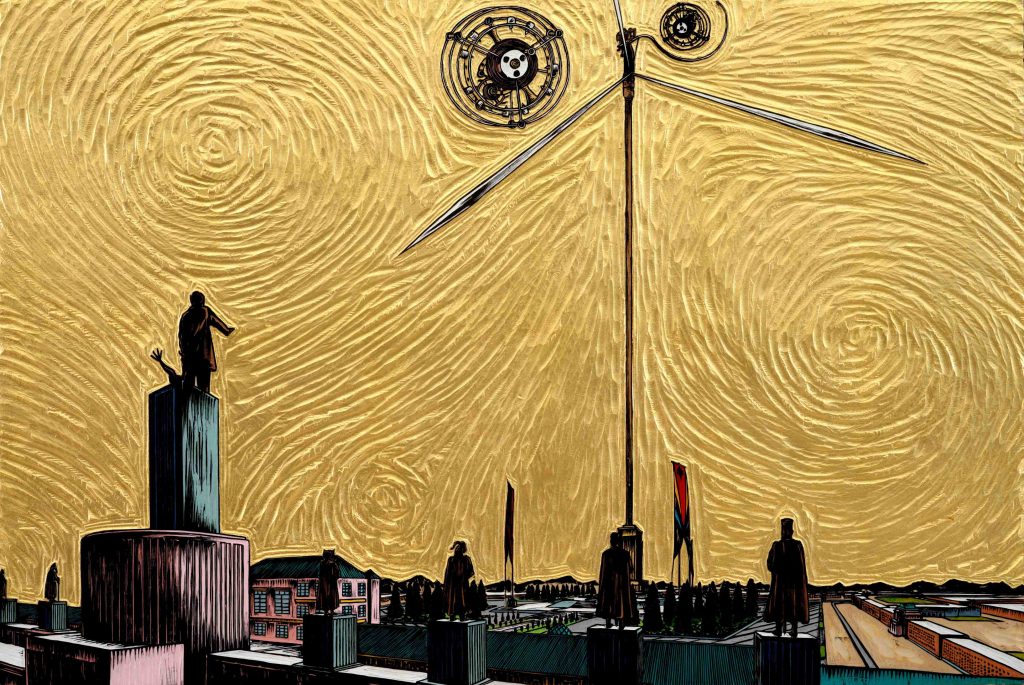
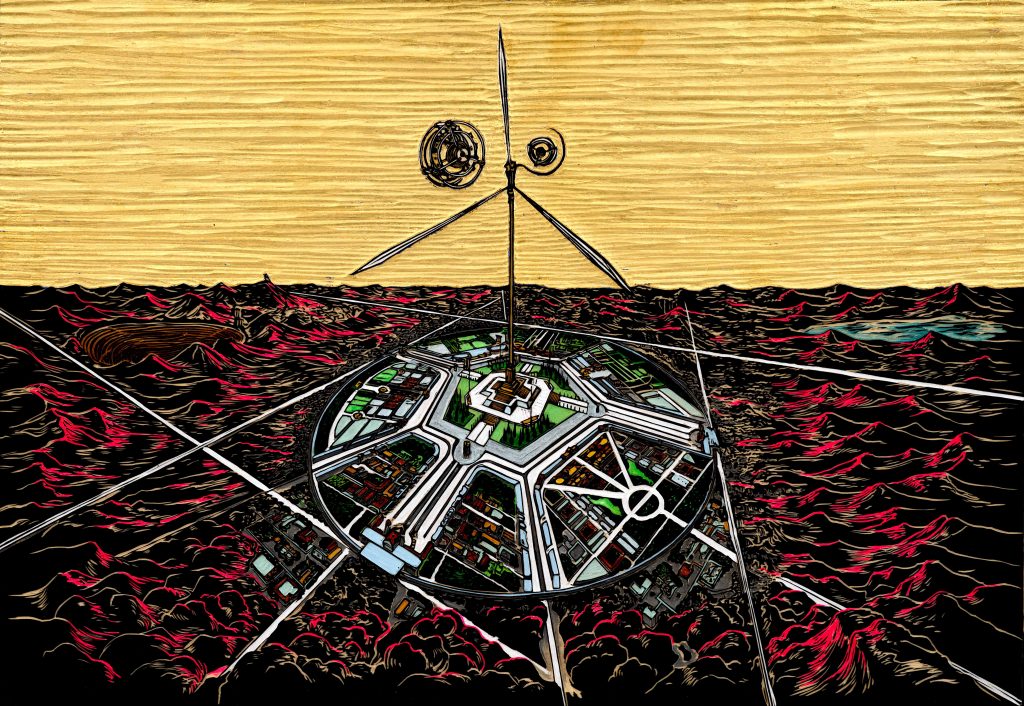
The world of Magic Atlas unfolds within a coal empire called “Luocha,” where maps and flight are forbidden and historical memory is periodically erased. The empire draws its energy from coal-a “fossil of history”-sustaining the present by compressing and burning the past while systematically depriving its people of both their memory of what came before and the possibility of ascent. It is an order that can sustain itself only through perpetual forgetting-a form of power that operates through the erasure of memory. Sun does not present Luocha as an allegory for any particular political regime. Rather, the prohibition of flight and maps, and the erasure of memory, point to mechanisms by which closed systems preserve and perpetuate themselves.
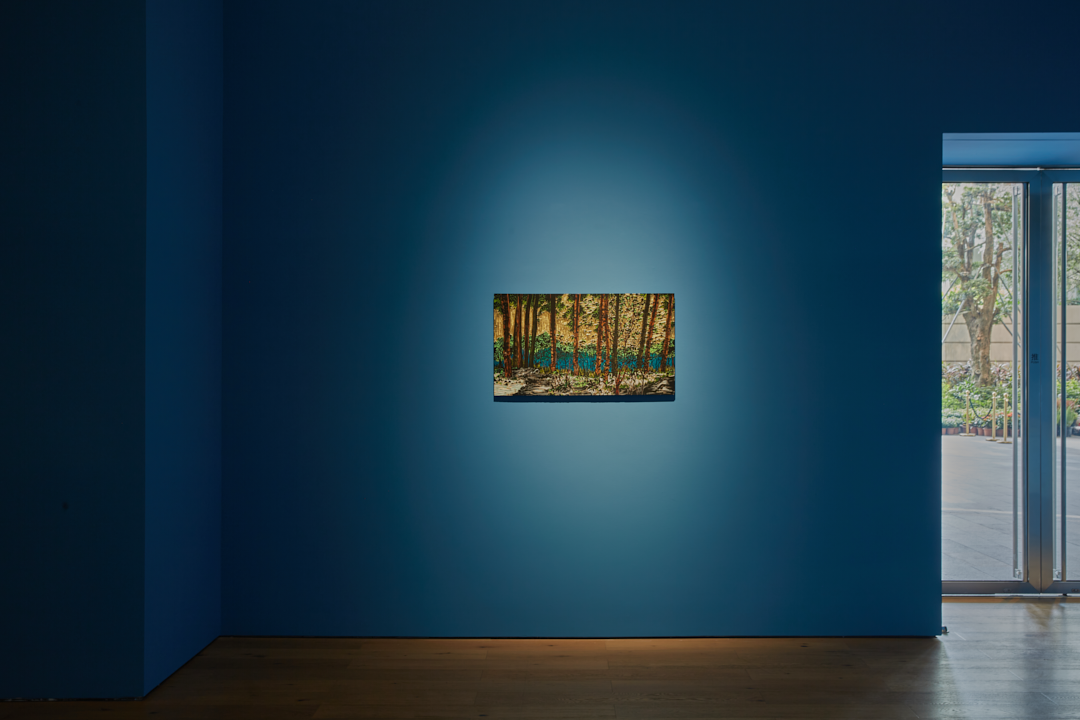
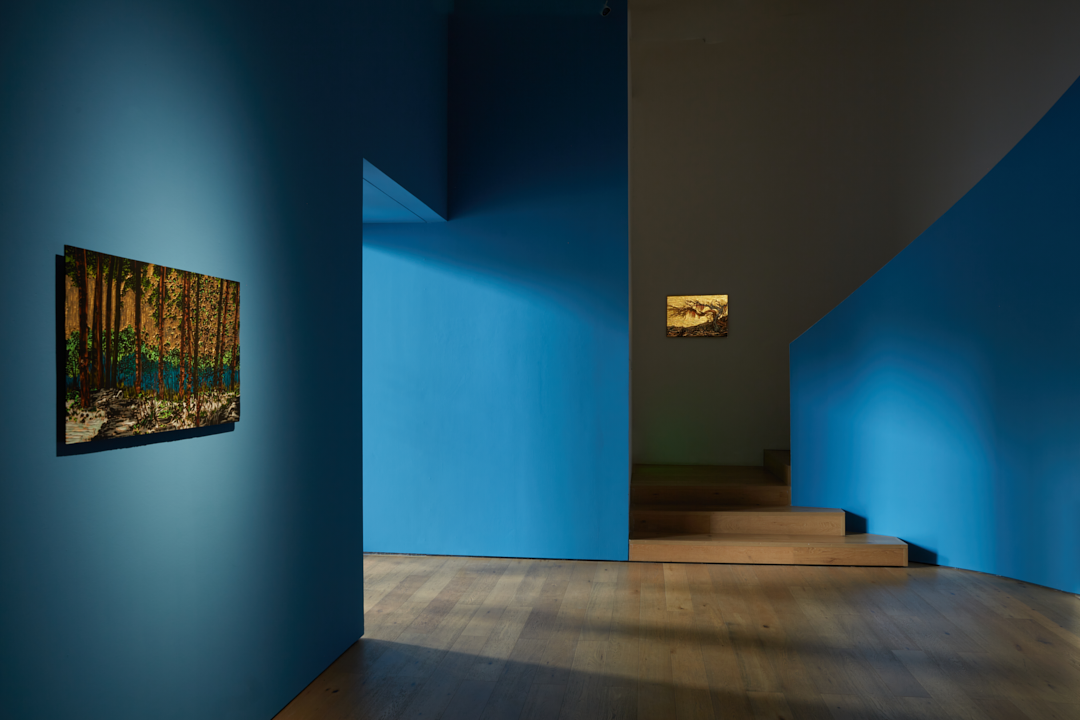
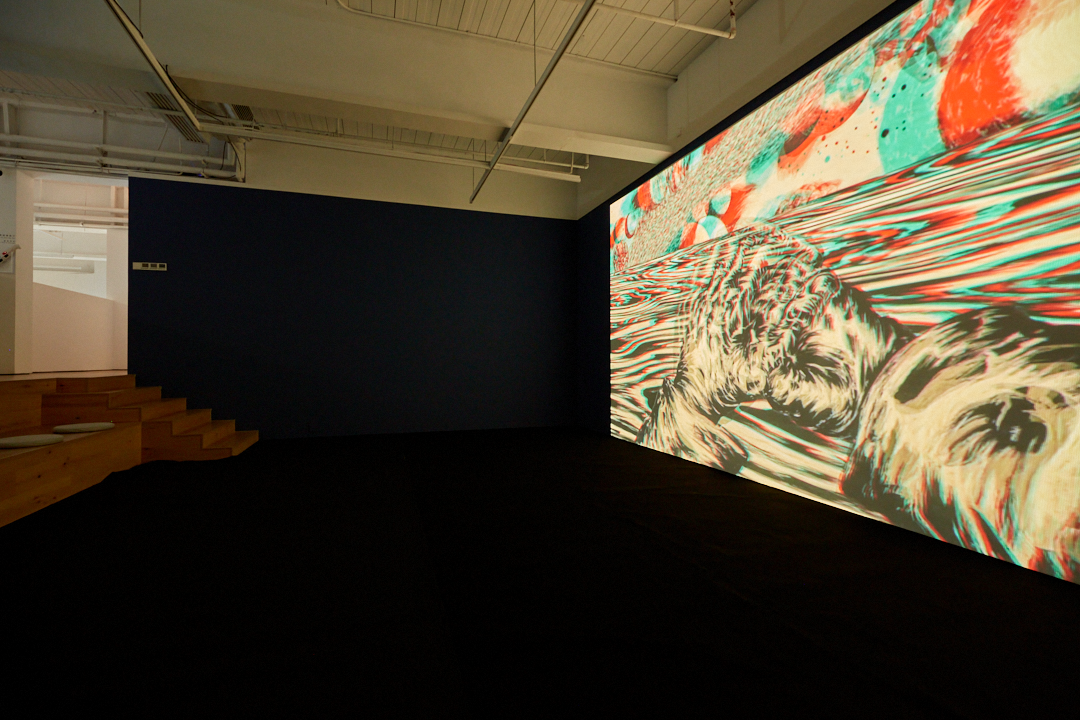
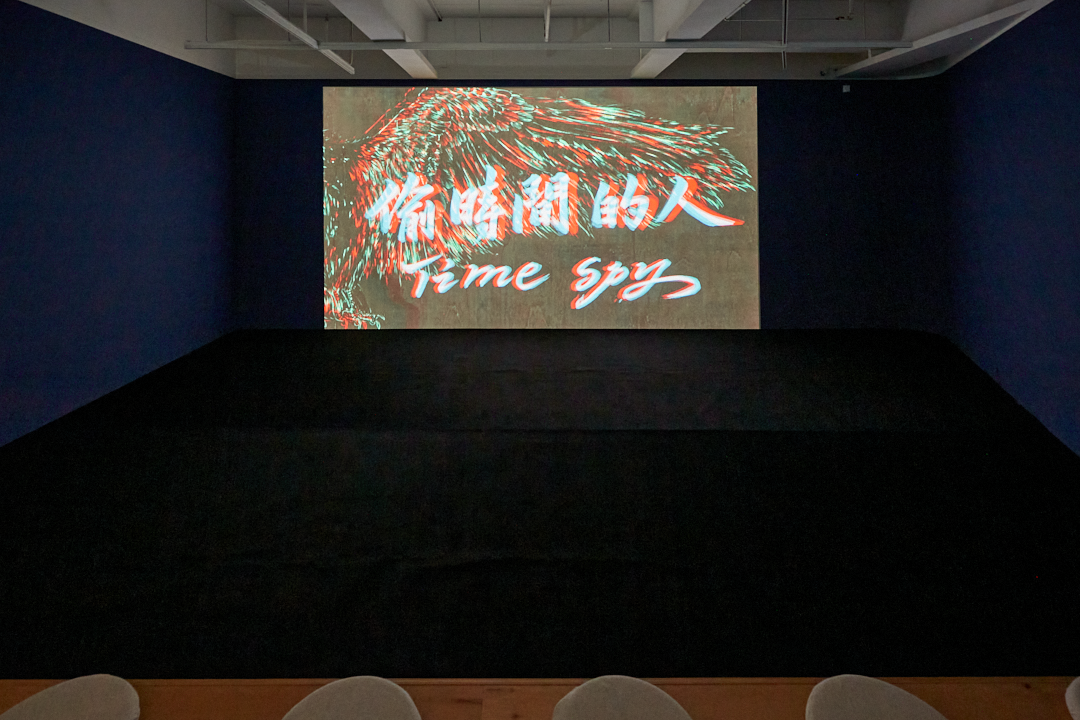
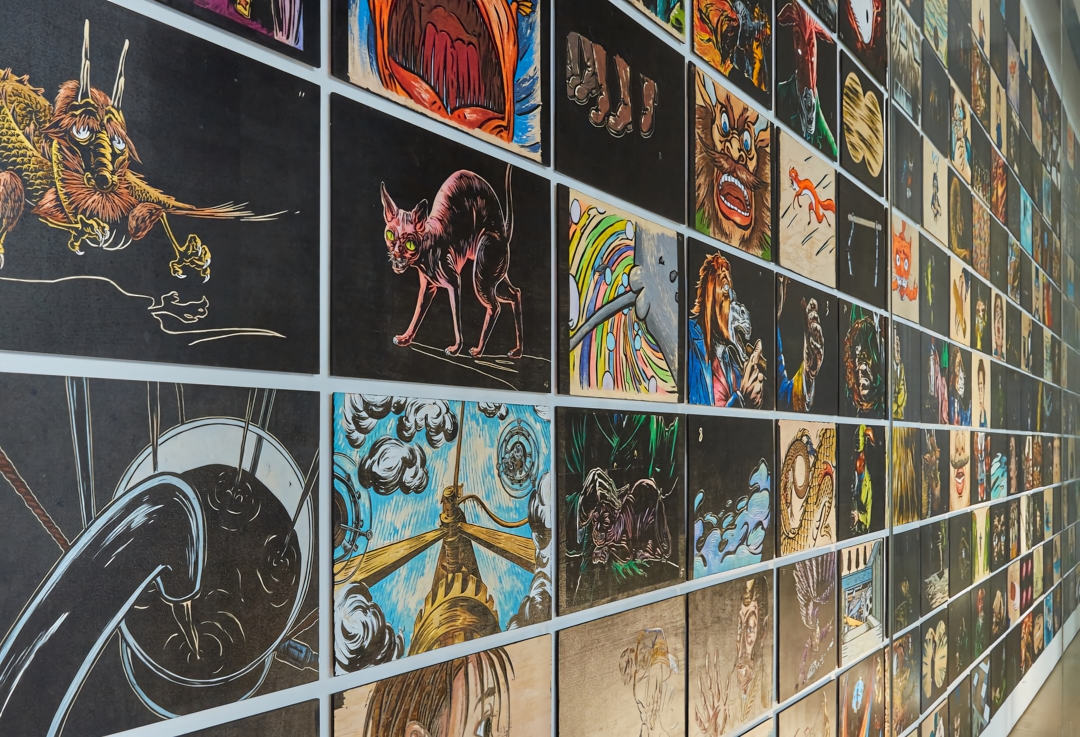
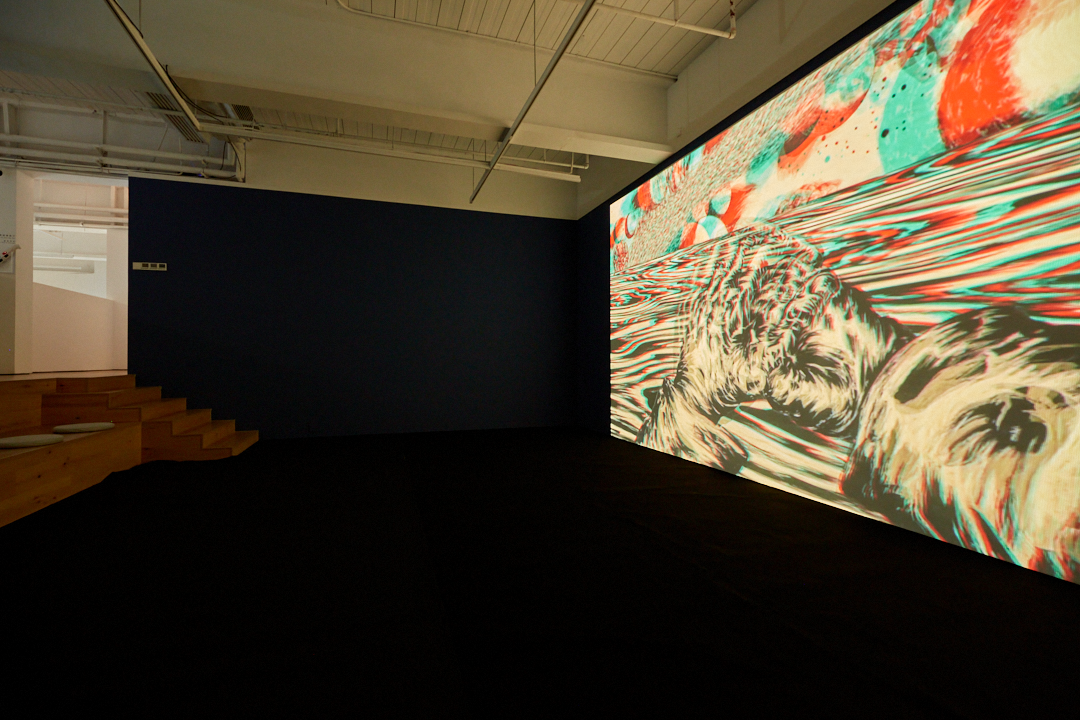
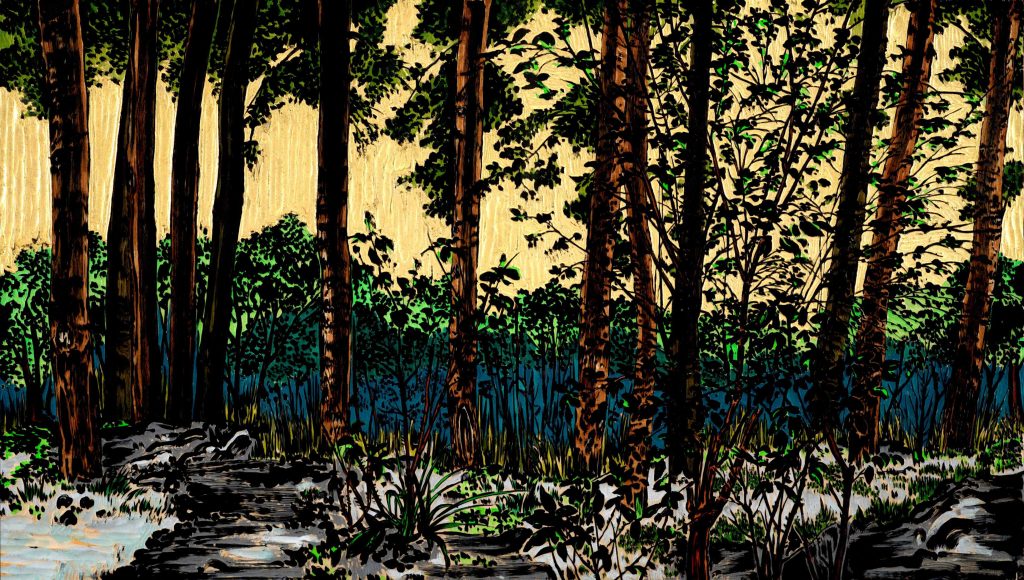
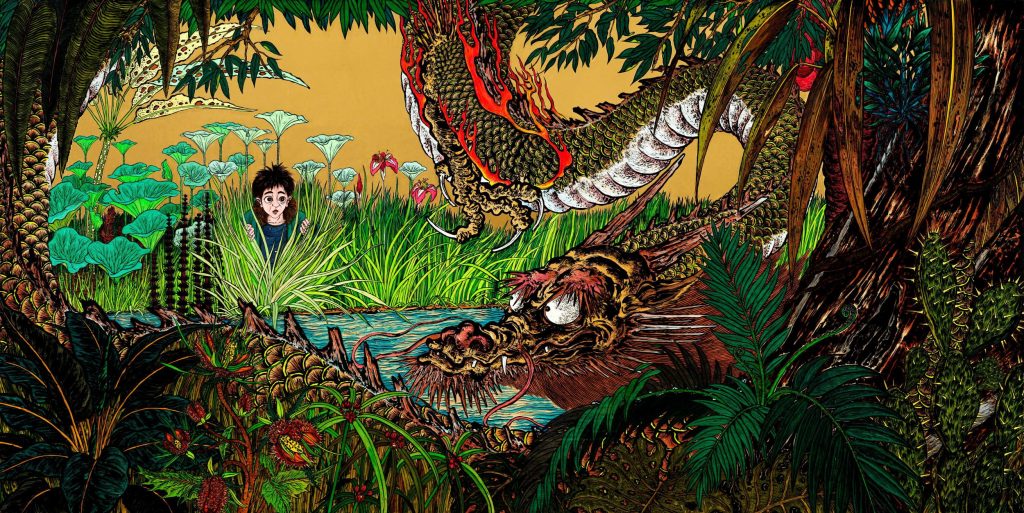
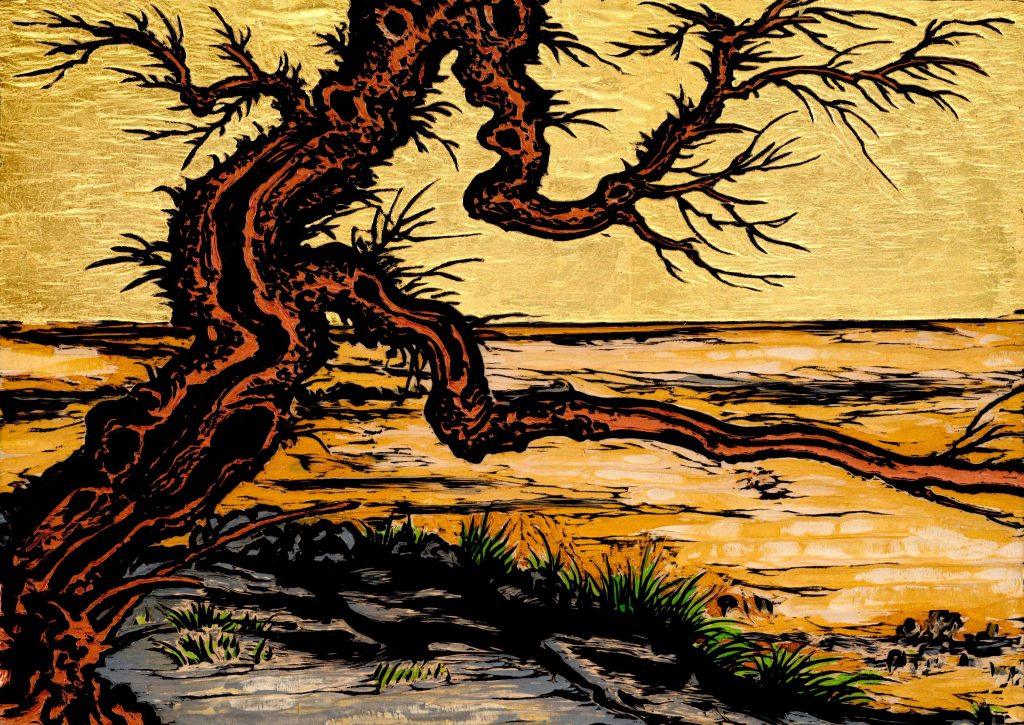
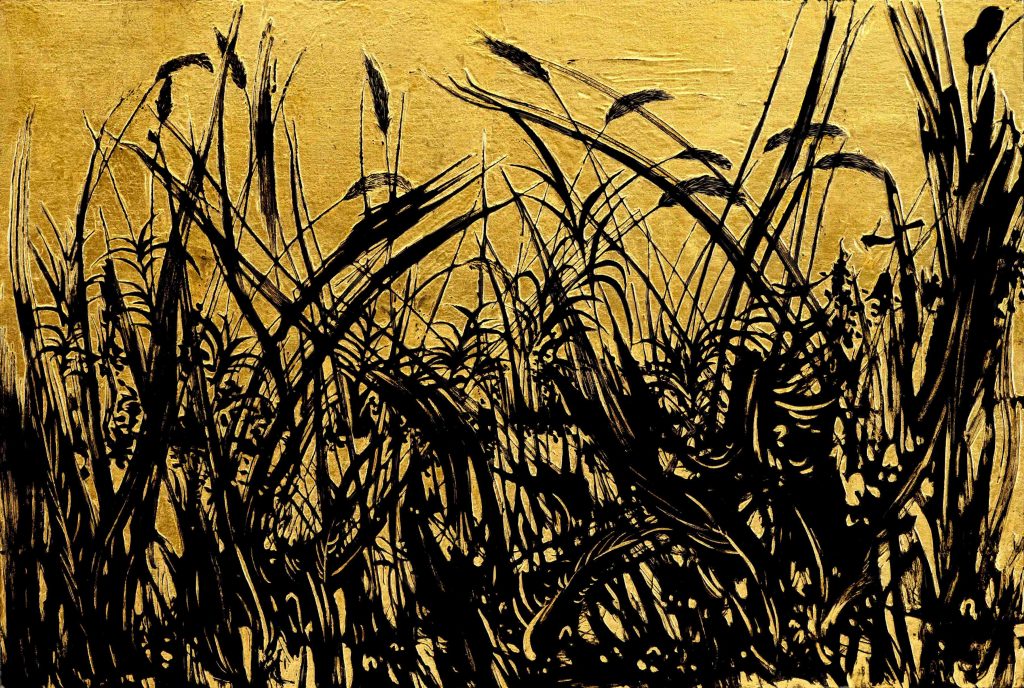
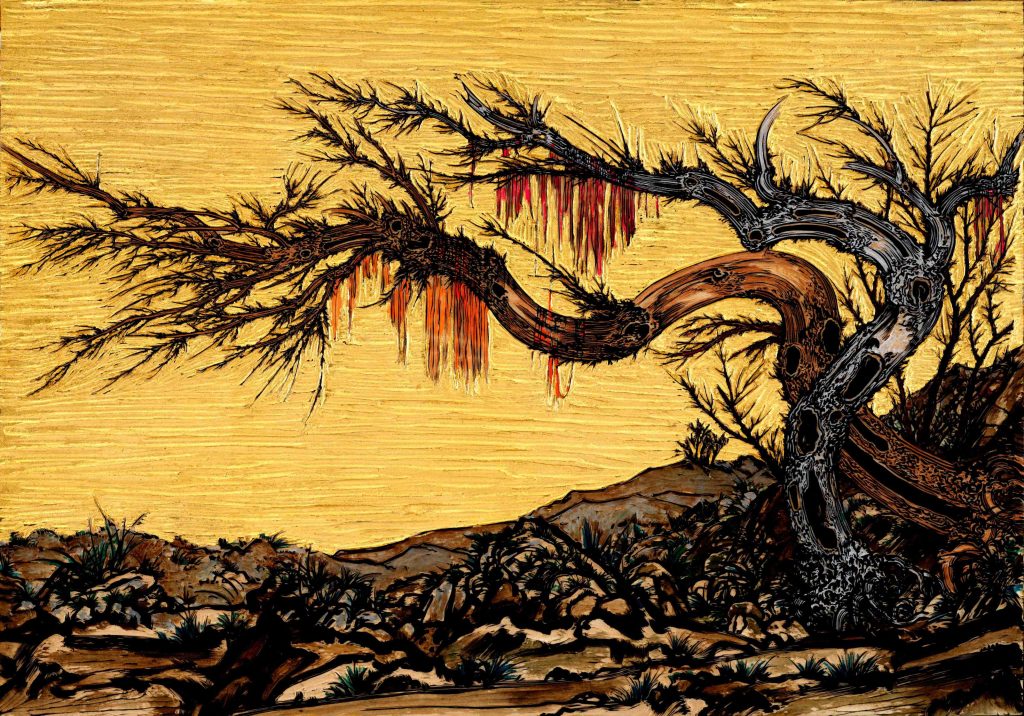
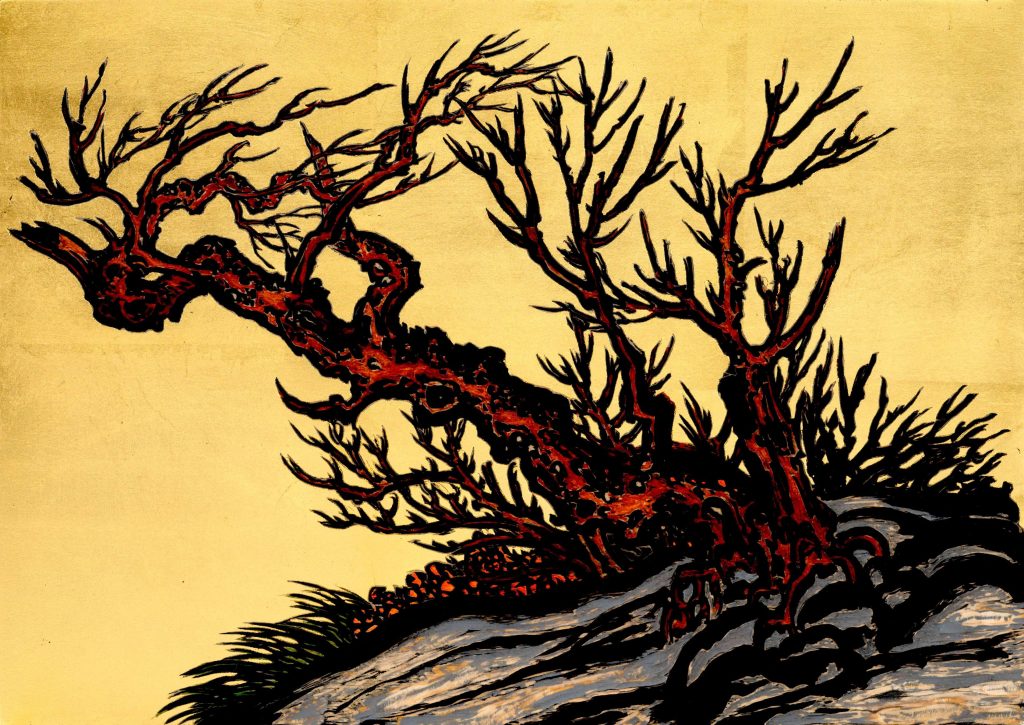
The main body of the film unfolds through the dense, austere visual language of woodcut. The medium’s stark opposition of black and white, and the violence and irreversibility of the carved mark, resonate with the oppressive texture of the Luocha world. Here, black and white are not merely stylistic choices, but the very visual substance of an empire drained of color and memory. Woodcut inscribes the traces of time into its material, while animation sets these static images back into motion. Through this process, painting, woodcut, and film do not operate as discrete media, but remain in constant circulation. Images move from paper to carved woodblocks, from stillness into motion, before returning, within the exhibition space, to a state in which they can once again be contemplated. As the projector’s beam passes through frame after frame of hand-drawn imagery, it evokes a force of consciousness emanating from a higher dimension, conjuring the reality before us-seemingly solid, yet ultimately as insubstantial as a dream.
Underlying this narrative is a radically non-linear conception of time. Drawing on Buddhist cosmologies of reincarnation, Sun imagines the transmigration of the soul as a process that need not move “forward.” It may move backward in time, shift laterally, or enter an entirely different dimension. Our present lives may come from the future, just as the lives that follow our deaths may unfold in the distant past. The worlds that appear at the beginning of the film, seemingly disconnected from its central narrative, give form to precisely this idea: life is like lightning across the sky, beginning with an ending and ending with a beginning. The work as a whole thus resists being organized along a linear timeline. Instead, it unfolds as a cosmic constellation in which power, exploitation, reincarnation, cultural memory, and the authentic self become intertwined. Presented alongside one another, the woodcuts and the final moving images reveal multiple facets of the same universe, allowing viewers to encounter two states of the image simultaneously. Each frame constitutes a world unto itself; together, these worlds form a space for contemplating time, memory, and existence.